
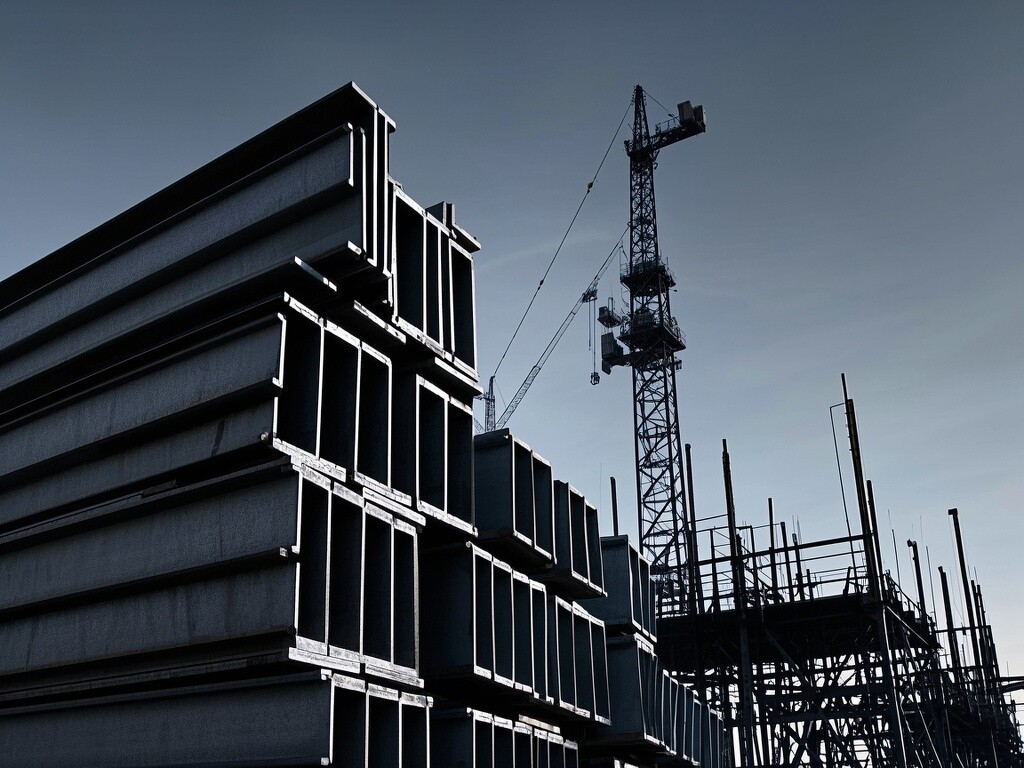
Steel profiles have become the backbone of modern construction, offering unparalleled strength, flexibility, and durability. From skyscrapers to bridges, these engineered components provide critical structural support while enabling innovative architectural designs. This article explores the technical advantages, diverse applications, and economic benefits that make steel profiles essential for construction professionals.
The Structural Advantages of Steel Profiles
What makes steel profiles superior to other building materials? The answer lies in their exceptional strength-to-weight ratio. Unlike concrete or wood, steel profiles maintain structural integrity while minimizing dead load on buildings. This characteristic becomes particularly valuable in high-rise construction where every kilogram matters.
Modern steel profiles comply with international standards like ASTM A36, EN 10025, and JIS G3101, ensuring consistent quality across projects. Their dimensional stability prevents warping or shrinking that plagues organic materials, guaranteeing long-term performance even under extreme weather conditions.
Key Performance Characteristics:
Common Types of Steel Profiles in Construction
The construction industry utilizes various steel profile configurations, each serving specific structural purposes:
- I-beams (Universal Beams) - The workhorse of structural framing, ideal for supporting heavy vertical loads
- Hollow Structural Sections (HSS) - Offering excellent torsional resistance for columns and trusses
- Angle profiles - Versatile L-shaped sections for bracing and secondary framing
- Channel profiles - U-shaped sections perfect for edge reinforcement
- Z-purlins - Lightweight roofing and wall support systems
Advanced manufacturing techniques now allow custom steel profile fabrication, enabling architects to realize complex geometric designs without compromising structural requirements.
Cost-Efficiency Throughout the Project Lifecycle
While steel profiles may carry higher upfront costs than some alternatives, their long-term economic benefits are undeniable:
Construction Phase Savings:
Prefabricated steel profiles arrive at job sites ready for installation, significantly reducing labor time compared to cast-in-place concrete. Their lightweight nature decreases foundation requirements and allows faster erection - critical factors in projects with tight deadlines.
Operational and Maintenance Advantages:
Buildings utilizing steel profiles typically require less maintenance than those using traditional materials. Steel's resistance to rot, insects, and moisture damage translates to lower lifecycle costs. When modifications are needed, steel structures can be easily adapted without major demolition work.
Why Choose Our Steel Profiles?
With over 25 years serving the construction industry, we supply premium steel profiles that meet the most demanding project specifications. Our products undergo rigorous quality control, including:
- Ultrasonic testing for internal defects
- Chemical composition analysis
- Mechanical property verification
- Dimensional accuracy checks
Partner with us for your next project and benefit from our technical expertise, reliable supply chain, and commitment to delivering steel profiles that exceed expectations. Contact our engineering team today to discuss your specific requirements.
Leave A Message
If you are interested in our products and want to know more details, please leave a message here, we will reply you as soon as we can.