
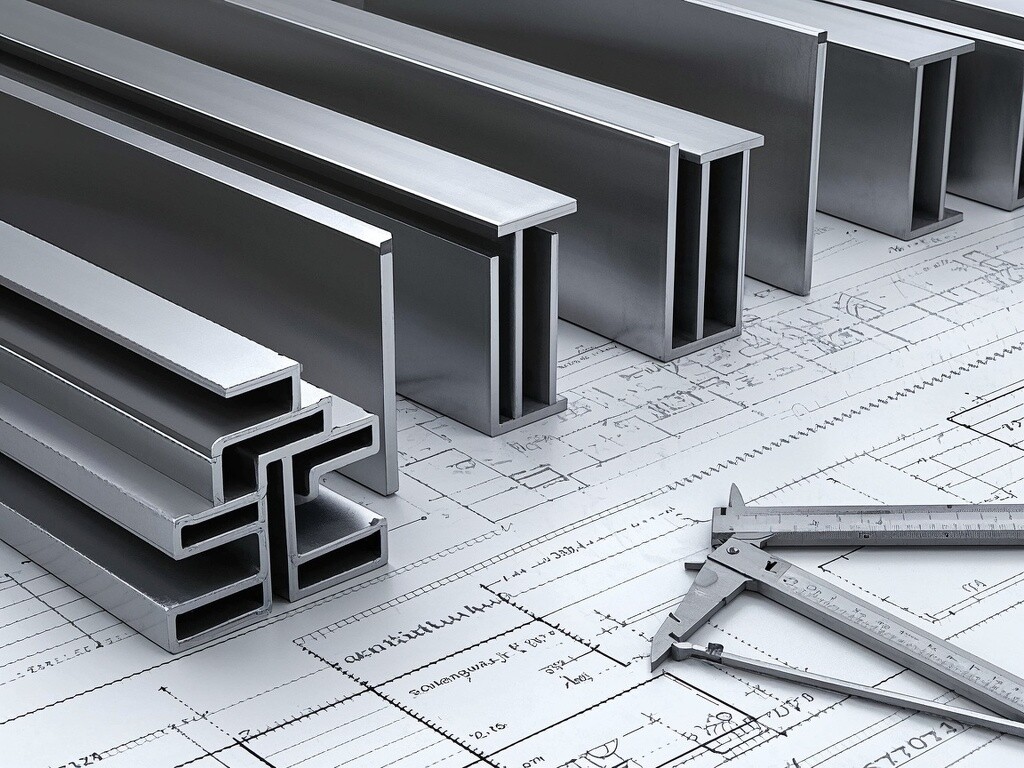
Choosing the right steel profiles is critical for the structural integrity and cost-efficiency of your project. This guide helps you navigate material grades, shapes, and industry standards to make an informed decision.
Understanding Steel Profile Basics
Steel profiles, also known as structural steel sections, are manufactured in standardized shapes like I-beams, angles, and channels. Their geometry directly impacts load-bearing capacity and suitability for specific applications. The most common types include:
- I-beams (universal beams) - Excellent for horizontal load distribution
- H-beams (wide flange beams) - Superior vertical load resistance
- Angle bars (L-profiles) - Ideal for bracing and framing
- Channel sections (C-profiles) - Perfect for lightweight structural support
Key Selection Criteria for Steel Profiles
1. Material Grade Considerations
ASTM A36 remains the most common structural steel, but specialized projects may require:
2. Dimensional Requirements
Profile dimensions must accommodate:
- Design load calculations
- Connection methods (bolted vs welded)
- Clearance limitations
- Future expansion possibilities
Industry-Specific Applications
Different sectors demand unique profile solutions:
Construction Projects
High-rise buildings typically use wide flange beams (W-shapes) for columns and I-beams (S-shapes) for floor systems. The American Institute of Steel Construction (AISC) provides detailed guidelines for structural applications.
Industrial Equipment
Machinery frames often utilize hollow structural sections (HSS) for their torsional resistance. EN 10210 standards govern these profiles in European markets.
Common Selection Mistakes to Avoid
Project teams frequently encounter these pitfalls:
- Underestimating dynamic load requirements
- Ignoring corrosion protection needs
- Overlooking thermal expansion factors
- Choosing domestic grades for international projects
Why Partner With Our Steel Experts?
With 25+ years in structural steel distribution, we offer:
- ASTM, EN, and JIS certified materials
- Custom cutting and drilling services
- Just-in-time delivery solutions
- Technical support from licensed engineers
Contact our project consultants today for a free profile selection analysis tailored to your specific requirements.
Leave A Message
If you are interested in our products and want to know more details, please leave a message here, we will reply you as soon as we can.