
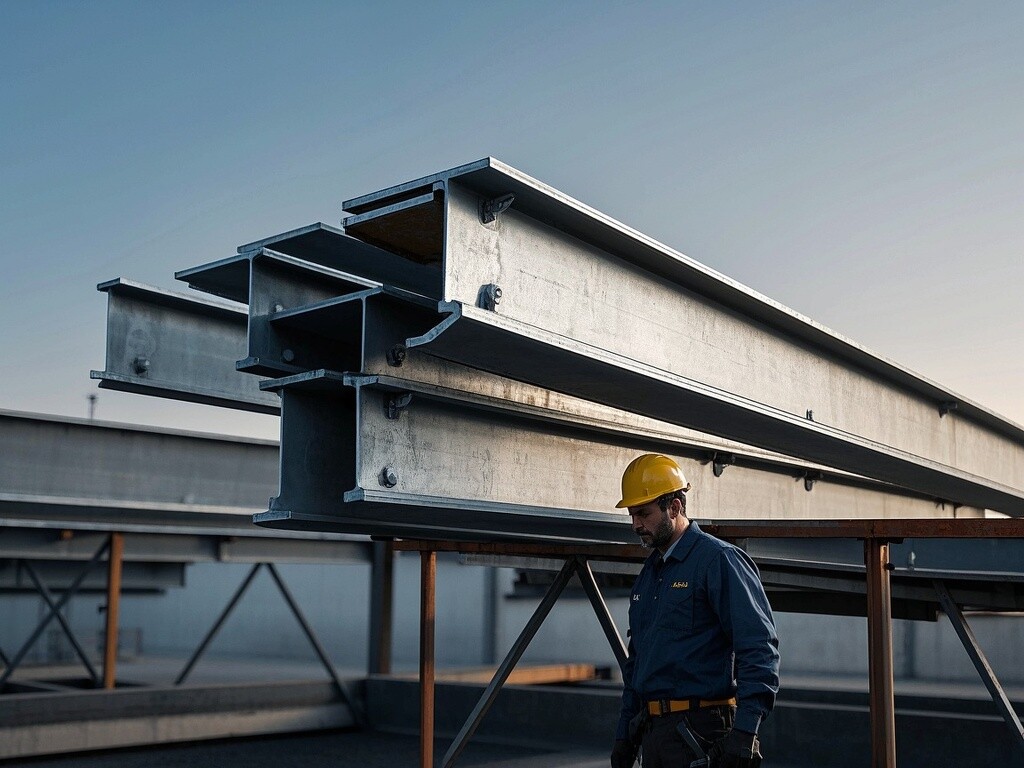
In an era of advanced metallurgy, carbon steel continues to dominate industrial sectors from construction to manufacturing. This article examines the technical and economic factors that make this centuries-old material outperform modern alternatives like stainless steel and aluminum alloys in critical applications.
The Unmatched Economics of Carbon Steel
When comparing material costs per ton, carbon steel typically costs 50-70% less than stainless steel and 30-40% less than aluminum alloys. For large-scale projects like bridge construction or industrial shelving systems, this translates to six-figure savings without compromising structural integrity.
Consider these real-world comparisons:
Performance Where It Matters Most
Structural Integrity
With tensile strength ranging from 400-550 MPa (ASTM A36 standard), carbon steel outperforms most aluminum alloys in load-bearing applications. The material's ductility also allows for seismic energy absorption in earthquake-prone regions - a feature architects prioritize when designing steel-framed buildings.
Corrosion Solutions
While pure carbon steel rusts, galvanized versions (zinc-coated) provide decades of protection even in harsh environments. Modern hot-dip galvanizing processes create coatings 3-5 times thicker than standard electroplating, making galvanized steel sheet piles ideal for marine applications where stainless steel would be cost-prohibitive.
Versatility Across Industrial Formats
Carbon steel's adaptability shines through its various product forms:
- Profiles: I-beams and H-beams form skeletons of industrial facilities
- Sheet piles: Interlocking designs create retaining walls for excavation sites
- Tinplate: Thin-gauge steel with tin coating protects food containers
Unlike copper alloys that work-harden or aluminum that fatigues, carbon steel maintains consistent properties through repeated forming processes - a crucial factor for manufacturers producing stamped automotive parts or rolled metal ceilings.
Future-Proof Material Selection
With global steel recycling rates exceeding 85%, carbon steel leads in sustainability. Its magnetic properties enable efficient scrap separation, while the basic oxygen furnace process allows unlimited reuse without quality degradation. Compare this to aluminum recycling, where alloy contamination often downgrades material value.
For industrial buyers evaluating long-term supply stability, carbon steel's mature global supply chain offers another advantage. With production facilities on every continent and standardized grading systems (SAE, ASTM, EN), procurement teams avoid the geopolitical risks associated with rare metals like nickel (essential for stainless steel) or bauxite (for aluminum).
Optimizing Your Carbon Steel Specifications
To maximize value from carbon steel purchases, industrial buyers should:
- Specify appropriate carbon content (low-carbon for welding, high-carbon for hardness)
- Consider micro-alloyed grades for enhanced strength without heat treatment
- Evaluate protective coatings based on environmental exposure
Our metallurgical experts can help analyze your specific application requirements - from structural steel framing to precision-engineered components. With decades of experience supplying industries from heavy construction to appliance manufacturing, we ensure you get optimal performance from this remarkably adaptable material.
Leave A Message
If you are interested in our products and want to know more details, please leave a message here, we will reply you as soon as we can.