
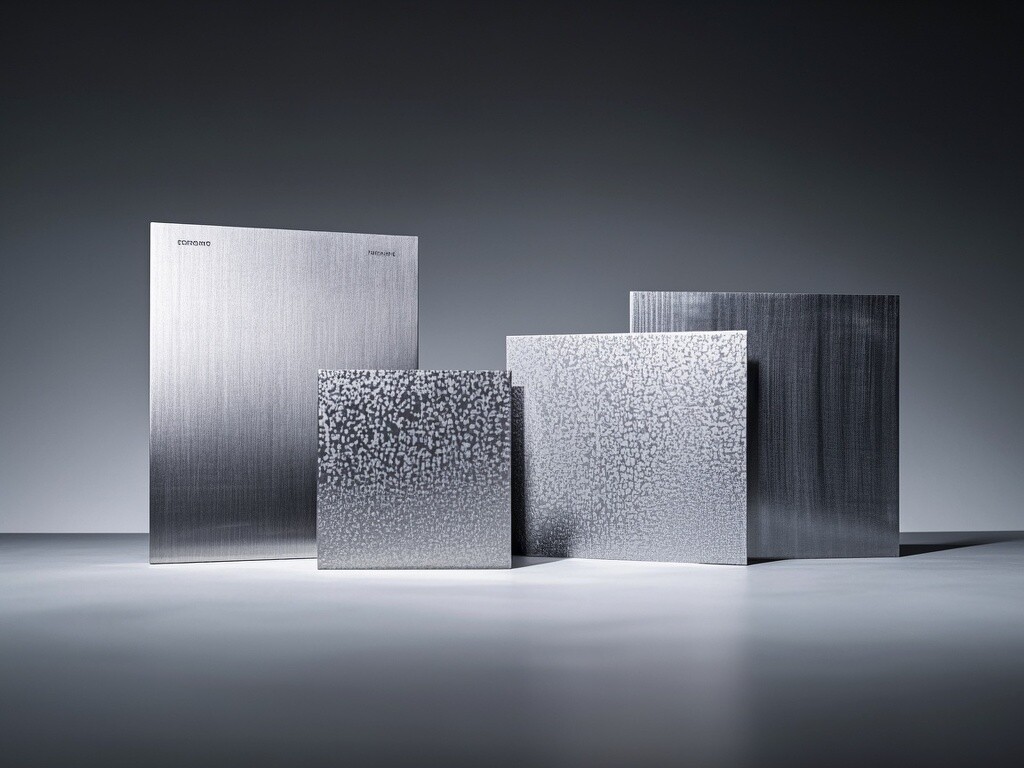
Selecting the right stainless steel grade is critical for durability in industrial applications. This guide compares carbon steel, galvanized steel, and specialty alloys to help decision-makers optimize material selection.
Understanding Steel Grades and Their Applications
When specifying materials for construction or manufacturing projects, engineers must evaluate several critical factors:
- Corrosion resistance requirements
- Structural load demands
- Environmental exposure conditions
- Budget constraints
- Fabrication needs
Stainless Steel vs. Carbon Steel: Key Differences
Specialty Alloys: When to Consider Alternatives
For specific applications, copper and aluminum alloys or tinplate may offer superior performance:
Copper Alloys
Ideal for:
- Marine environments
- Electrical components
- Heat exchangers
Aluminum Alloys
Best for:
- Aerospace applications
- Lightweight structures
- Food processing equipment
Steel Sheet Piles and Profiles: Structural Considerations
When selecting steel sheet piles for retaining walls or foundations, consider:
- Soil conditions and water table levels
- Required service life (temporary vs. permanent)
- Installation method constraints
- Interlock strength requirements
Making the Right Choice: 5-Step Selection Process
Follow this systematic approach to material selection:
- Define environmental factors - Identify chemical exposure, temperature ranges, and UV conditions
- Calculate mechanical requirements - Determine necessary yield strength and hardness
- Evaluate fabrication needs - Assess welding, machining, and forming requirements
- Compare lifecycle costs - Consider maintenance, replacement, and downtime expenses
- Verify compliance - Ensure materials meet ASTM, EN, or JIS standards
Why Partner With Industry Experts?
Material selection significantly impacts project success. Our metallurgical specialists provide:
- Technical consultation for complex applications
- Certified material testing services
- Custom alloy development capabilities
- Global supply chain solutions
Contact our engineering team today for personalized material recommendations tailored to your specific project requirements.
Leave A Message
If you are interested in our products and want to know more details, please leave a message here, we will reply you as soon as we can.